

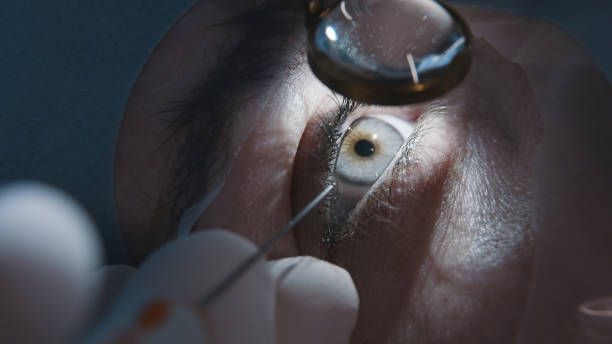
When we think about confidence, we often picture posture, voice, or clothing. Yet for many people, confidence begins with something quieter and more personal: feeling comfortable with their reflection and secure in everyday interactions. Because the eyes are central to recognition and expression, changes around the eyelids, tear ducts, and surrounding facial structures can affect how someone feels in social, professional, and intimate settings.
Reconstructive eye procedures can help restore both function and appearance after injury, illness, congenital conditions, or prior surgery. While the medical goals are often practical—protecting the eye, improving vision, or relieving discomfort—the emotional ripple effect is equally real. For many patients, physical restoration translates into daily confidence that feels natural, steady, and earned.
Understanding Reconstructive Eye Procedures
Reconstructive eye procedures are designed to restore normal anatomy and function around the eye area, especially when the eyelids or surrounding tissues have been altered by trauma, skin cancer removal, facial nerve weakness, thyroid eye disease, or congenital differences. Unlike purely cosmetic enhancements, reconstructive approaches focus on rebuilding what was lost or correcting what isn’t working properly, often blending delicate structural repair with thoughtful aesthetic balance.
People seek these procedures for many reasons, and the motivations are rarely superficial. Difficulty closing the eye, chronic tearing, eyelid drooping that blocks vision, or irritation from misdirected lashes can make daily life exhausting. Restoring comfort and protecting the eye’s surface can reduce constant self-awareness, allowing confidence to return through simple routines like reading, driving, or meeting someone’s gaze.
How Oculoplastic Expertise Connects Function
Oculoplastic specialists work at the intersection of eye health and facial structure, addressing the eyelids, orbit, and tear drainage system with meticulous attention. The goal is often to preserve or restore eye protection and lubrication while also creating a result that looks harmonious with the rest of the face. This balance matters because even small changes around the eyes can shift how expressions are perceived by others.
When people research care, they often want reassurance that treatment is both safe and tailored, not one-size-fits-all. In that search, it’s common to see phrases like get the best oculoplastic treatment today, but what truly matters is choosing a qualified specialist who understands your diagnosis, your anatomy, and your daily needs. The most confidence-building outcomes typically come from clear planning, realistic expectations, and a focus on long-term comfort as well as appearance.
Rebuilding After Trauma or Surgery
Injuries around the eye, burns, or surgical removal of skin cancers can change the eyelid’s shape and the way it moves. These changes may affect how well the eye closes, how tears drain, or how the eye is protected from wind and dryness. Reconstructive procedures can repair eyelid margins, rebuild missing tissue, or reposition structures so they function smoothly again.
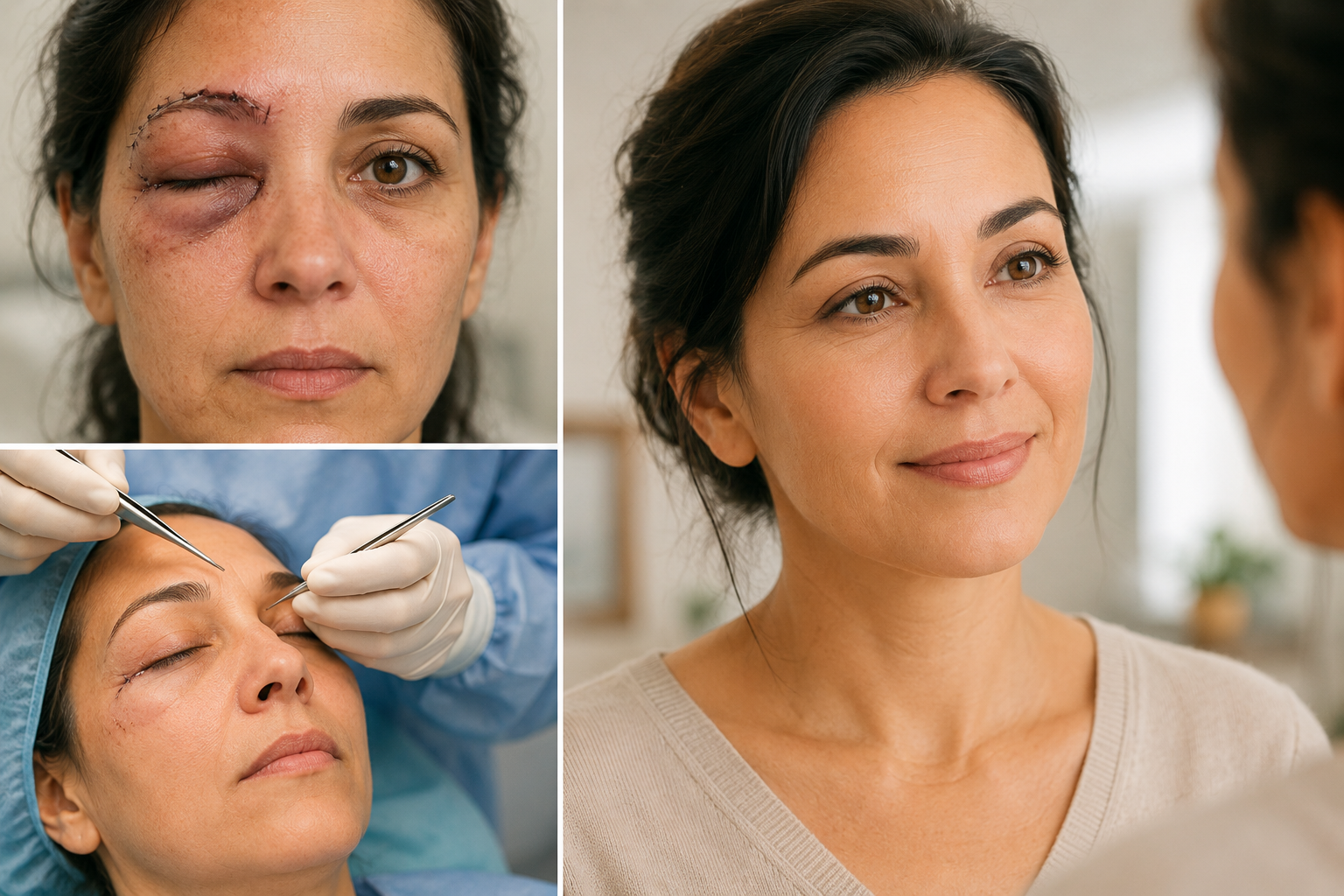
There is also an emotional layer to “looking familiar” after an unexpected event. People may feel distracted by how strangers respond, or they may avoid photos and face-to-face conversations. Reconstructive work can help the face feel recognizable again, which often reduces social self-consciousness. That sense of familiarity can be powerful, not because it erases an experience, but because it makes daily life feel less defined by it.
Correcting Eyelid Position to Ease Discomfort and Self-Consciousness
Eyelids that droop, turn inward, or pull away from the eye can create more than a cosmetic concern. Ptosis can limit vision and make a person look chronically tired, while entropion can cause lashes to rub painfully against the cornea. Ectropion can expose the eye, leading to dryness, tearing, and irritation that draws attention during conversation.
Correcting eyelid position often improves both physical comfort and how someone is perceived at first glance. When irritation decreases, people tend to stop rubbing their eyes or blinking excessively, which can make interactions feel more relaxed. When the eyelids sit in a healthier, more natural position, facial expressions also read more accurately—helping confidence return in meetings, social events, and everyday moments.
Managing Tear Duct and Surface Issues That Disrupt Daily Life
Persistent tearing can look like constant crying, while chronic dryness can cause redness and a “gritty” sensation that makes concentration difficult. Reconstructive eye procedures may address blocked tear ducts, narrowed drainage openings, or eyelid problems that prevent tears from spreading properly. Treating these issues can reduce the awkwardness of wiping eyes repeatedly during conversations or dealing with smudged makeup and irritated skin.
Comfort changes behavior in subtle ways. When the eyes feel stable, people are less likely to avoid bright environments, wind, air conditioning, or long screen sessions. That steadiness supports confidence because attention shifts away from symptom management and back to living. Over time, improved eye comfort can also enhance sleep quality and daily energy, both of which are strongly connected to healthy aging supported by a safe and comfortable living environment.
Supporting Confidence in Congenital and Long-Term Conditions
Some people live for years with differences present since birth or with conditions that evolve over time, such as thyroid eye disease or facial nerve weakness. These challenges can affect eyelid closure, eye alignment, and the way the eyes appear at rest. Reconstructive procedures may help protect the eye, improve symmetry, and reduce strain caused by compensating facial muscles.
Confidence grows when the face feels aligned with how a person feels inside. For those who have adapted for years, even modest improvements can change daily habits—like no longer tilting the head to see clearly or feeling less worried about how expressions appear in photos. Prioritizing wellness, comfort, and supportive care through high-quality senior living spaces focused on long-term well-being can also contribute to a healthier and more fulfilling lifestyle over time.
The Emotional Shift
The psychological impact of eye-related changes is often underestimated. When the eyes look or feel different, people may withdraw socially, avoid direct eye contact, or feel anxious about being stared at. Reconstructive care can help reverse that pattern, not by promising perfection, but by reducing the obstacles that make social presence feel stressful.
Reconnecting happens gradually. First, comfort improves and the mirror becomes less intimidating. Then confidence shows up in small choices—joining a video call without adjusting the camera, going out without planning how to “hide” symptoms, or speaking without worrying about how the eyes look while expressing emotion. Over time, those small moments accumulate into a steadier sense of self.
Conclusion
Reconstructive eye procedures can be life-changing in ways that extend beyond the medical chart. By restoring eyelid position, repairing trauma-related changes, improving tear function, and protecting the eye’s surface, these treatments can reduce discomfort and help expressions feel natural again. That functional stability often becomes the foundation for confidence, because daily life stops revolving around irritation, worry, or unwanted attention.
True confidence doesn’t come from chasing an ideal image. It comes from feeling comfortable, capable, and present—whether you’re reading, working, laughing, or meeting someone’s gaze. For many people, reconstructive eye care supports exactly that kind of confidence: practical, quiet, and carried into everyday life.