

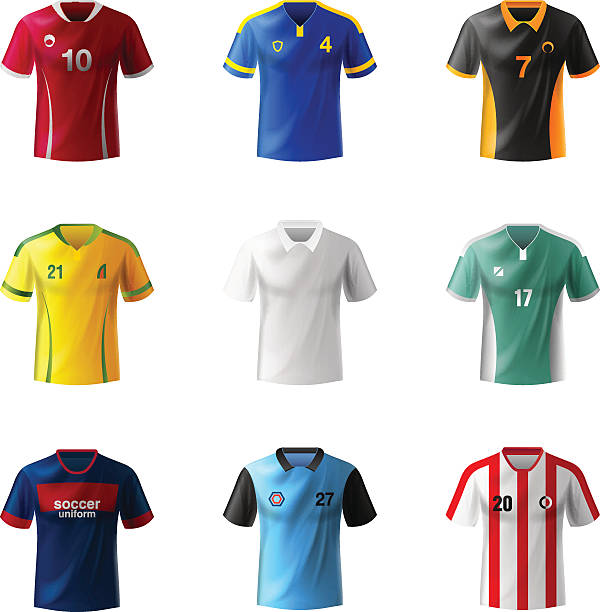
Football jerseys are far more than pieces of fabric stitched together with colors. They carry identity, pride, and history — whether worn on the pitch or displayed in a glass case at home. Yet despite serving the same fundamental purpose, club jerseys and country jerseys are remarkably different in how they are designed, manufactured, and experienced by players and fans alike. Understanding these differences can deepen your appreciation for the sport and the craftsmanship behind every kit.
The Story Behind the Colors: Identity and Symbolism
Every football jersey tells a story, but the narrative behind a club kit and a national jersey diverges in meaningful ways. Club jerseys draw from local culture, founding history, and community roots. Colors like the iconic red of Manchester United or the black and white of Juventus have remained consistent for over a century, symbolizing loyalty to a city or a neighborhood.
National jerseys, on the other hand, reflect something much broader — a country’s flag, its heritage, and sometimes its political journey. The design of a national kit often goes through government-level approval processes and must resonate with millions of citizens from vastly different backgrounds. This creates a more conservative design approach that prioritizes unity over individuality, making national jerseys deeply symbolic but often less experimental than their club counterparts.
Tournament Pressure vs. Season-Long Wear
One of the biggest functional differences between these two jersey types lies in how often and under what conditions they are used. Club jerseys are worn across an entire domestic season — sometimes over fifty matches — requiring exceptional durability and consistent performance across varying climates and playing surfaces.

National jerseys, by contrast, are typically used for a limited number of fixtures, most notably in regional tournaments and global events. The urgency of events like World Cup jerseys has historically pushed sportswear brands to introduce their most innovative fabric technologies precisely for these international tournaments, where visibility is at its peak. This concentrated spotlight means national kits often showcase the latest advancements in moisture management, aerodynamics, and player comfort — even if they see fewer total hours of actual gameplay.
Branding and Sponsorship: A Commercial Divide
Club jerseys are heavily shaped by commercial partnerships. From the front-of-shirt sponsor to the sleeve badge, a club kit can carry multiple brand logos, each contributing significantly to the club’s revenue. Premier League clubs alone generate tens of millions of pounds annually through shirt sponsorship, which directly influences the visual real estate available on the jersey.
National jerseys operate under a stricter set of commercial rules. FIFA and continental governing bodies place tight restrictions on the number and placement of sponsor logos. In many international competitions, shirt advertising is entirely prohibited or limited to the kit manufacturer’s badge alone. This cleaner aesthetic gives national jerseys a more streamlined look, often making them feel more premium and uncluttered — a design choice that resonates strongly with fans who value national pride above commercial identity.
Fabric Technology and Performance Standards
The materials used in club and country jerseys may appear similar to the naked eye, but the specifications often differ based on purpose and budget. Top-tier clubs have long-term partnerships with sportswear giants, giving them access to cutting-edge fabrics developed in specialized labs. Performance-grade polyester blends with moisture-wicking channels, ventilation zones, and stretch panels are standard features in modern club kits.
National team jerseys benefit from similar technology but tend to prioritize versatility. Since international squads include players from clubs across different leagues and climates, the national kit must perform equally well in the freezing conditions of a European qualifier and the sweltering heat of a South American stadium. Manufacturers design national jerseys to accommodate a wider range of physical conditions, often incorporating additional UV protection and heat-mapping features that go beyond what a typical club jersey requires.
Design Cycles and Creative Freedom
Club jerseys follow a predictable commercial cycle — home, away, and third kits released annually or biannually. This constant refresh creates enormous creative pressure and opportunity. Designers work closely with clubs to experiment with patterns, typography, collar styles, and retro throwbacks that keep fans excited and drive merchandise sales.
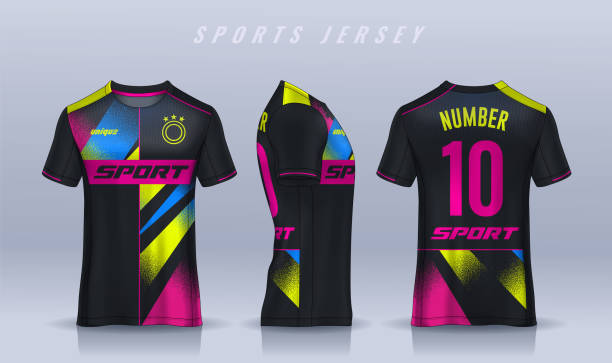
National jerseys evolve much more slowly. Most federations release new kits every two years, often tied to major tournaments. The design process is more cautious and collaborative, sometimes involving public consultations or historical research to ensure the kit feels authentic to the nation’s football culture. While this slower cycle can limit creative boldness, it often results in jerseys that feel timeless and carry a weight of significance that club kits, refreshed so frequently, struggle to match.
Fan Connection and Emotional Weight
The emotional relationship fans have with jerseys differs considerably between club and country contexts. A club jersey is worn with weekly regularity — at matches, in pubs, during casual outings — and becomes a deeply personal object tied to seasons of memory. Fans often associate specific kits with historic victories, beloved players, or personal milestones in their own lives.
National jerseys carry a different kind of emotional gravity. They are brought out for special occasions — a World Cup campaign, a continental championship, a historic qualifying match. Because they appear less frequently, each new design is met with intense public scrutiny. A controversial national kit redesign can spark national debate in a way that a club’s third kit rarely would. This heightened emotional stakes makes the national jersey a uniquely powerful garment in the world of sport.
Fit, Sizing, and Accessibility for Fans
Replica jerseys sold to fans differ from player-issue kits, but the gap between fan and performance versions also varies between club and national contexts. Top clubs invest heavily in making their replica kits closely mirror the authentic playing versions, using similar cuts and fabric blends to satisfy an increasingly discerning fanbase. Limited-edition player-match versions often sell out within hours of release. These versatile designs also make it easier to pair a jersey with different bottom wears for boys, creating comfortable and stylish looks for casual outings, training sessions, or match days.
National team replica jerseys are generally produced in larger volumes and must cater to a much broader demographic — from children in replica kits at local parks to adults wearing them in living rooms during major tournaments. This means the sizing and fit tend to be more universally accommodating rather than performance-specific. However, top sportswear brands have increasingly aligned the fan experience across both club and national products, ensuring that supporters can access near-authentic quality regardless of which team they are cheering for.
Conclusion
Club and country jerseys may share the same fundamental silhouette, but they are shaped by entirely different forces — commercial ambition, national identity, technical innovation, and fan emotion. Club jerseys thrive on creative reinvention and brand partnership, while national jerseys carry the weight of history and collective pride. Together, they represent the full spectrum of what a football kit can mean: a product, a symbol, and sometimes, a piece of a nation’s soul. Whether you are collecting or simply wearing one with passion, knowing what goes into each design makes every jersey far more meaningful.